Using Symptom Diaries for MS

Consider this: keeping a symptom diary not only helps you recognize patterns in your health but also empowers you in your discussions with healthcare providers. What insights could you uncover about your experience with multiple sclerosis?
What You Will Learn
- Symptom diaries provide a structured way to monitor fluctuations in MS symptoms over time.
- Recording symptoms helps identify patterns and triggers, aiding effective communication with healthcare providers.
- Key components of an effective diary include symptom clusters, frequency of tracking, and types of symptoms documented.
- Utilizing digital tools or traditional journals can enhance the symptom-tracking experience, depending on personal preference.
- Health apps specifically designed for MS tracking can streamline the process, offering insights and easier sharing with doctors.
Benefits of Symptom Diaries for MS Management
Understanding how symptom diaries aid in MS diagnosis and management can be visualized through their key benefits and practical application.
What are Symptom Diaries?
Practical tools for tracking symptom fluctuations over time, providing a comprehensive health view.
Key Components
- • Symptom Clusters: Group similar symptoms.
- • Frequency: Daily/weekly entries.
- • Types: Physical & cognitive symptoms.
Tracking Methods
Reminders, Graphs, Easy Share
Therapeutic, Tactile Experience
Understanding the Role of Symptom Diaries in Multiple Sclerosis Diagnosis
As a neurologist specializing in multiple sclerosis (MS), I often encounter patients who feel overwhelmed by their symptoms. One of the most effective tools I recommend is a symptom diary. But what exactly are these diaries, and how can they assist in diagnosing MS? Let's delve into the concept of symptom diaries and explore how they facilitate tracking MS symptoms.

A symptom diary is a practical tool for individuals living with MS to record their experiences and fluctuations in symptoms over time. By documenting your symptoms, you can not only recognize patterns but also provide valuable information to your healthcare provider. It serves as a bridge between your lived experience and medical assessments, making it easier for you and your doctor to make informed decisions about your care.
What Are Symptom Diaries and How Do They Work?
The purpose of symptom diaries is straightforward yet powerful: to keep track of your symptoms consistently. These diaries can be physical notebooks, digital apps, or even simple spreadsheets. They help you monitor various aspects of your health, including:
- Types of symptoms experienced (e.g., fatigue, numbness)
- Frequency and duration of symptoms
- Triggers or factors that seem to worsen symptoms
- Impact on daily activities and overall well-being
By consistently noting these details, you create a comprehensive view of your health that can guide your discussions with your doctor. Remember, the more information you record, the better your healthcare provider can understand your unique experience with MS. The MS Trust provides further guidance on how to effectively use a symptom diary for tracking various aspects of your condition.
Frequently Asked Questions (FAQs)
Q: What is a symptom diary for MS?
A: A symptom diary is a practical tool for individuals with MS to record their experiences and fluctuations in symptoms over time, helping to identify patterns and provide valuable information to healthcare providers.
Q: What types of information should be included in an MS symptom diary?
A: An effective symptom diary should include the types of symptoms experienced (e.g., fatigue, numbness), their frequency and duration, any identifiable triggers, and their impact on daily activities and overall well-being. Focusing on symptom clusters, frequency of tracking, and documenting both physical and cognitive symptoms is also recommended.
Q: How often should I track my symptoms?
A: While daily entries can be very beneficial, even weekly recordings can be helpful. The key is consistency in your chosen frequency.
Q: What are the benefits of using a symptom diary for MS?
A: Symptom diaries empower patients by helping them recognize patterns, triggers, and the impact of MS on their lives. They facilitate better communication with healthcare providers, leading to more informed decisions about care, more accurate diagnoses, and tailored treatment strategies.
Q: Should I use a digital tool or a traditional journal for tracking?
A: Both options have benefits. Digital tools often offer reminders, graphs, and easy sharing features, while traditional journals can provide a therapeutic, tactile experience. The best choice depends on personal preference and lifestyle.
Q: Are there specific health apps recommended for MS symptom tracking?
A: Yes, apps like MS Tracker and My MS Manager are designed to help you record symptoms, medication schedules, and lifestyle factors. Exploring these options can streamline tracking and provide valuable insights.
Key Components of an Effective Symptom Diary
To make the most out of your symptom diary, it's essential to include certain key components. Here are some elements I recommend focusing on:
- Symptom Clusters: Group similar symptoms together. For example, you might notice that fatigue often accompanies muscle weakness.
- Frequency of Tracking: Decide how often you'll write in your diary. Daily entries might be beneficial, but even weekly recordings can be helpful.
- Types of Symptoms: Include both physical and cognitive symptoms. Tracking everything from mood swings to vision problems can provide a fuller picture.
In my experience, patients who diligently track their symptoms feel more empowered and informed during their medical appointments. This active participation leads to more tailored treatment strategies and better overall care. Tracking symptoms systematically can also be crucial for physicians, as highlighted in a study published in PMC, which discusses the use of diaries in monitoring disease activity.
The Benefits of Using Symptom Diaries for MS Diagnosis
Utilizing a symptom diary isn't just a helpful exercise; it comes with numerous benefits for your health journey. As you begin this practice, you'll discover how it enhances communication with your healthcare provider and ultimately aids in a more accurate diagnosis. An optimal pathway for MS care, as outlined by the MS Society UK, emphasizes the importance of consistent symptom monitoring and patient involvement in treatment decisions.
Pro Tip
Did you know? Keeping your symptom diary visually engaging can encourage consistency. Consider using color codes to mark different symptoms or severity levels. This not only makes it easier to spot patterns but also adds a personal touch to your tracking method!
Practical Guidance for Starting Your Symptom Diary
Starting a symptom diary can be a pivotal step in managing your experience with multiple sclerosis. It empowers you to take charge of your health by documenting your symptoms, which can help both you and your healthcare team understand your condition better. Let’s walk through some practical steps to get you started!
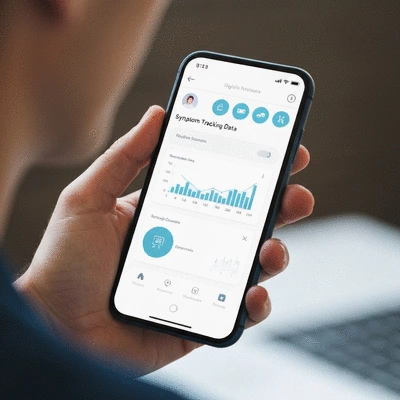
First, choose a method that works best for you. Whether you prefer a digital app or a traditional journal, the key is consistency. Here are some tips to help you set up your symptom diary:
- Decide on a specific time of day to record your symptoms.
- Include the date and time for each entry to track patterns over time.
- Make note of any triggers or events that might have influenced your symptoms.
- Use simple, clear language to describe your feelings and experiences.
As you maintain your diary, remember that it is a personal tool meant for your benefit. The more detailed and honest you are, the more useful it becomes in discussions with your healthcare provider.
Choosing Between Digital Tools and Traditional Journals
When it comes to selecting how you want to track your symptoms, you have options! Both digital tools and traditional journals have their advantages. Here’s a quick comparison:
- Digital Tools: These often come with features like reminders, graphs, and easy sharing with your healthcare provider.
- Traditional Journals: Writing by hand can be therapeutic and gives you a tactile experience that some find comforting.
Think about what suits your lifestyle best. Do you always have your smartphone handy? An app might be ideal. Prefer to unplug and reflect? A classic journal could be your best bet!
Leveraging Health Apps for Effective Symptom Tracking
There are numerous health apps specifically designed for MS symptom tracking. These apps can streamline the process and provide valuable insights into your health. Here are a few noteworthy ones:
- MS Tracker: Offers features for recording symptoms and medication schedules.
- My MS Manager: Allows you to document symptoms, medications, and even lifestyle factors.
- Symptom Diary: A straightforward app that lets you log symptoms daily.
Using these tools can help you visualize how your symptoms fluctuate, making it easier to discuss with your neurologist. I encourage you to explore these options and find the one that resonates with you!
Recap of Key Points
Here is a quick recap of the important points discussed in the article:
- A symptom diary helps track various aspects of MS symptoms, including types, frequency, triggers, and their impact on daily activities.
- Key components of an effective symptom diary include symptom clusters, frequency of tracking, and documenting both physical and cognitive symptoms.
- Starting your symptom diary requires consistency and can be done through digital tools or traditional journals, depending on your preference.
- Utilizing health apps can streamline symptom tracking and provide valuable insights for better discussions with healthcare providers.