New MS Diagnosis Criteria and Tech

As we approach the 2025 updates on multiple sclerosis diagnostic criteria, a significant transformation is set in motion. What does this mean for patients and healthcare professionals alike? The impending changes promise to enhance diagnostic accuracy and patient care, making it essential to stay informed. Here’s a glimpse into the key insights that will navigate this vital evolution in understanding MS.
What You Will Learn
- The McDonald Criteria, first established in 2001, have evolved significantly through various updates to improve diagnostic accuracy.
- The 2024 revisions expand the definition of Dissemination in Space (DIS), allowing for broader interpretations and earlier diagnoses.
- Streamlined Dissemination in Time (DIT) guidelines reduce diagnostic delays, enhancing patient management and treatment initiation.
- Familiarizing with updated McDonald Criteria is crucial for both patients and healthcare providers to ensure timely and effective care.
Key Changes and Impact of 2024 MS Diagnostic Criteria
The 2024 revisions to the McDonald Criteria introduce several key changes that make the diagnostic process more comprehensive and efficient. The following highlights the evolution, key changes, and the overall impact of these updates.
Evolution of McDonald Criteria: Key Milestones
Initial criteria developed to unify diagnosis.
MRI findings included, improving accuracy.
Updates for dissemination in time & space.
Clearer definitions of diagnostic markers.
Source: McDonald Criteria Revisions
Key Changes in 2024 Criteria
• Expanded DIS
Broader interpretation of lesions in different CNS areas, leading to earlier diagnosis.
• Streamlined DIT
Simplified assessment of ongoing disease activity, reducing diagnostic delays.
Impact of 2025 Updates
• Greater Accuracy
New MRI biomarkers for more precise MS identification.
• Streamlined Processes
Enhanced efficiency, potentially reducing time to treatment.
• Patient-Centric Focus
Prioritizing patient experience and informed decision-making.
Understanding the 2025 Update on MS Diagnostic Criteria
As we look ahead to 2025, an important shift is happening in the way we diagnose multiple sclerosis (MS). The updated diagnostic criteria are essential for improving our understanding of this complex condition. At Symptoms of MS, we believe that staying informed about these changes can empower patients, families, and healthcare professionals alike. It’s all about making sure that everyone has the most accurate and up-to-date information!
The journey of diagnostic criteria for MS has seen significant evolution, largely driven by ongoing research and clinical insights. Let’s delve into the history of the McDonald Criteria and see how they have adapted over the years to better serve those affected by MS.
The Evolution of the McDonald Criteria: A Brief History
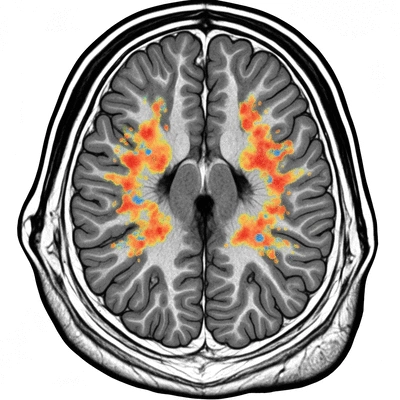
Originally established in 2001, the McDonald Criteria have undergone several revisions to enhance accuracy in diagnosing MS. This framework has made it easier for neurologists to identify the disease through clinical features and MRI findings. Over the years, various updates have refined these criteria, ensuring they reflect the latest scientific knowledge and understanding of MS.
- 2001: The initial criteria were developed to unify the diagnostic process.
- 2005: Criteria were revised to include MRI findings, improving diagnostic accuracy.
- 2010 and 2017: Further updates incorporated the concept of dissemination in time and space.
- 2024: The most recent revision emphasizes clearer definitions of diagnostic markers.
These milestones highlight our commitment to enhancing the diagnostic process, and I encourage my fellow healthcare professionals to familiarize themselves with these updates for improved patient outcomes.
Key Changes in the 2024 McDonald Criteria Revisions
The 2024 revisions to the McDonald Criteria introduce several key changes that make the diagnostic process more comprehensive and efficient. Understanding these adjustments is crucial for healthcare providers and patients alike. Here’s a quick overview of the most significant changes:
Expansion of Dissemination in Space (DIS)
One of the pivotal changes in the 2024 criteria is the expansion of Dissemination in Space (DIS). This concept refers to the presence of lesions in different areas of the central nervous system. The criteria now allow for an even broader interpretation of what constitutes DIS, thereby increasing the likelihood of earlier diagnosis. This change can potentially lead to timely interventions that can significantly impact a patient's quality of life.
Streamlining of Dissemination in Time (DIT)
Similarly, the Dissemination in Time (DIT) aspect has also been streamlined. The updated guidelines simplify how neurologists assess the evidence of ongoing disease activity. This adjustment helps reduce diagnostic delays, which can be critical for managing symptoms and treatment effectively. For a deeper understanding of these changes, the Cleveland Clinic provides valuable insights into the revised McDonald Criteria.
These changes reflect the ongoing evolution in our understanding of MS, and I am excited to see how they will enhance patient care moving forward.
Guidelines for MS Diagnosis: What You Need to Know
When it comes to diagnosing MS, staying informed about the latest guidelines is key. Here are some essential points that every patient and healthcare provider should keep in mind:
- Familiarize yourself with the updated McDonald Criteria to improve diagnostic accuracy.
- Recognize the importance of early intervention and regular monitoring.
- Encourage open communication between patients and healthcare professionals.
- Utilize advanced imaging techniques to support diagnosis.
By adhering to these guidelines, we can work together to navigate the complexities of MS diagnosis and ensure that everyone receives the care they need and deserve.
Pro Tip
Did you know? Keeping a detailed symptom journal can significantly enhance your discussions with healthcare providers. Note any changes in symptoms, their frequency, and potential triggers. This information can help your neurologist make more informed decisions regarding your diagnosis and treatment plan.
Summarizing the Impact of the 2025 Updates on MS Diagnosis
The updates to the MS diagnostic criteria in 2025 bring a significant shift in how we understand and assess multiple sclerosis. As a neurologist with over a decade of experience, I've seen firsthand how these changes can enhance patient care and improve outcomes. The revised guidelines aim to provide clearer pathways for diagnosis, ensuring that patients receive timely and appropriate treatment. Here are some key takeaways that both clinicians and researchers should consider:
- Greater Accuracy: The inclusion of new MRI biomarkers allows for more precise identification of MS.
- Streamlined Processes: The updated criteria enhance the efficiency of diagnosing MS, potentially reducing the time to treatment.
- Patient-Centric Focus: These changes prioritize patient experience, ensuring individuals are better informed about their condition.
Clinicians must stay informed about these updates to implement the best practices in their patient assessment processes. Researchers also have an opportunity to build upon this framework to develop new interventions and therapies that can further aid those living with MS.
Next Steps for Patients: Understanding Your Diagnosis

As a patient, navigating a recent MS diagnosis can feel overwhelming. It's essential to understand what the updated diagnostic criteria mean for you and your treatment options. First, I recommend you engage in open conversations with your healthcare provider about your diagnosis and the implications of these new guidelines. Here are some steps you can take:
- Educate Yourself: Familiarize yourself with the new diagnostic criteria and how they might impact your care. For additional information on understanding the McDonald Criteria, consider exploring resources like those offered by the MS Trust.
- Ask Questions: Don’t hesitate to inquire about the specific tests and protocols that will be used in your diagnosis.
- Track Your Symptoms: Keep a journal of your symptoms, which can provide valuable insights for your healthcare team.
By taking these steps, you can empower yourself in your healthcare journey, ensuring that you are an active participant in discussions about your treatment plan.
Engaging with the MS Community and Further Resources
Connecting with Experts: Where to Find Additional Insights
Engagement with the MS community is crucial for support and information. At Symptoms of MS, we strive to connect patients with resources and experts in the field. Here are some places to seek additional insights:
- Neurology Conferences: Attend local or national events to meet specialists and hear about the latest research.
- Online Webinars: Participate in virtual sessions hosted by MS organizations for updated information and interactive Q&A.
- Support Groups: Join groups to share experiences and learn from others navigating similar challenges.
Building connections within the MS community not only provides emotional support but also helps you stay informed about advancements in care and treatment strategies.
FAQs: Your Questions About the 2025 Update Answered
As I talk with patients, I often hear common questions regarding the recent updates to MS diagnostic criteria. Here are some frequently asked questions:
- What are the key changes in the 2025 McDonald Criteria? The key changes include an expanded definition of Dissemination in Space (DIS) and a streamlined approach to Dissemination in Time (DIT), allowing for earlier and more accurate diagnoses.
- How will the expanded DIS definition impact diagnosis? The broader interpretation of lesions in different central nervous system areas increases the likelihood of earlier diagnosis, potentially leading to timely interventions.
- What does "streamlined DIT" mean for patients? Streamlined DIT guidelines simplify the assessment of ongoing disease activity, which helps in reducing diagnostic delays and initiating treatment more quickly.
- Will these updates affect my current MS treatment plan? While the updates primarily focus on diagnosis, a more accurate and earlier diagnosis might lead to adjustments in your treatment protocols to optimize outcomes. It's best to discuss this with your healthcare provider.
- Where can I find more information about these diagnostic criteria? Reputable sources such as the National Multiple Sclerosis Society, Cleveland Clinic, and MS Trust provide valuable resources and detailed information on the McDonald Criteria and MS diagnosis.
Having these questions answered can provide clarity and peace of mind as you navigate your health journey.
Resources from MS Advocacy Groups and Research Organizations
Numerous organizations are dedicated to supporting individuals with MS, offering resources that can aid in understanding your condition and treatment options. Here are some notable groups:
- National Multiple Sclerosis Society: Offers educational materials, support services, and advocacy efforts.
- MS International Federation: Provides global information on MS research and community support initiatives.
- Local MS Support Networks: Check for local chapters that can offer personalized resources and connection opportunities.
By leveraging these resources, you can enhance your understanding of multiple sclerosis and engage with a community committed to improving the lives of those affected by this condition.
Recap of Key Points
Here is a quick recap of the important points discussed in the article:
- Understanding Updates: The 2025 updates to MS diagnostic criteria are crucial for enhancing patient care and improving outcomes.
- Key Changes: The revisions include greater accuracy through new MRI biomarkers and a streamlined approach for assessing dissemination in time and space.
- Patient Empowerment: Patients are encouraged to educate themselves about their diagnosis, ask questions, and track their symptoms for better communication with healthcare providers.
- Community Engagement: Engaging with the MS community through support groups and online resources is essential for staying informed and receiving emotional support.