Mimicking MS: Challenges and Clarity

What if the symptoms you're experiencing could point to multiple conditions, not just multiple sclerosis? Navigating this uncertainty can be daunting. Understanding the complexities of MS misdiagnosis is essential for anyone on this journey.
What You Will Learn
- The variability in symptoms can lead to confusion during the diagnostic process.
- Common conditions like migraines and autoimmune disorders can mimic MS symptoms, complicating the diagnosis.
- Nutritional deficiencies, particularly of vitamin B12 and copper, can present symptoms similar to MS.
- The importance of seeking second opinions and consulting specialists can significantly impact diagnosis and treatment.
- Understanding diagnostic tests, such as MRI and blood tests, is crucial for navigating your health journey effectively.
Understanding MS Misdiagnosis: Key Challenges & Mimics
Diagnosing Multiple Sclerosis (MS) is complex due to overlapping symptoms with other conditions. The visual below highlights the primary categories of conditions that mimic MS, often leading to misdiagnosis.
Neurological Mimics
- Migraine: Common neurological condition.
- Optic Neuritis: Visual disturbances.
- Transverse Myelitis: Sudden weakness.
Autoimmune Disorders
- NMOSD: Neuromyelitis Optica Spectrum Disorder.
- Sarcoidosis: Inflammatory disease.
- Lupus: Systemic autoimmune disease.
Vitamin Deficiencies
- Vitamin B12: Essential for nerve health.
- Copper: Important for neurological function.
- Nutritional Assessments: Crucial for diagnosis.
Infectious Diseases
- Lyme Disease: Bacterial infection affecting nervous system.
- HIV: Can cause neurological symptoms.
- Accurate Testing: Differentiates conditions.
Understanding the Complexities of Multiple Sclerosis Misdiagnosis
Diagnosing multiple sclerosis (MS) can often feel like piecing together a complex puzzle. With its myriad symptoms and the way they can mimic other conditions, it's no surprise that misdiagnosis is a common hurdle for many patients. Understanding the factors that contribute to these challenges is crucial for anyone navigating the world of MS.
One of the main complexities in diagnosing MS comes from the overlapping symptoms it shares with various other medical conditions. Many patients present with symptoms that can vary widely from one individual to another, making it difficult to pinpoint MS as the underlying cause. Let's delve deeper into what makes diagnosing MS such a challenge.
What Makes Diagnosing MS Challenging?
The variability in symptoms can lead to significant confusion during the diagnostic process. Some patients may experience subtle changes that aren't immediately recognized as MS-related, while others may have more pronounced signs that can easily resemble those of different disorders. A firm grasp on these challenges can empower you to advocate for your health more effectively.
- Variability in symptom presentation
- Overlap with other neurological conditions
- Lack of definitive testing specific to MS
- Individual patient differences affecting recognition of symptoms
Recognizing these factors can help patients and healthcare providers alike. It's essential to maintain open communication during the diagnostic process to navigate these complexities together.
Common Conditions That Look Like MS
Several conditions can mimic MS symptoms, leading to misdiagnosis. Understanding these can better prepare you for discussions with your healthcare team. Here are some common culprits:
Neurological Mimics: Migraine and More
Migraine is one of the most common neurological conditions that can confuse the diagnostic picture of MS. Other conditions like optic neuritis and transverse myelitis can also present similar symptoms, such as visual disturbances or sudden weakness. Recognizing these mimics helps in avoiding unnecessary anxiety and ensures that the right diagnosis is reached.
Autoimmune Disorders: NMOSD and Sarcoidosis
Autoimmune diseases, like neuromyelitis optica spectrum disorder (NMOSD) and sarcoidosis, share symptoms with MS. They can cause inflammation in the nervous system and lead to neurological symptoms that overlap with MS. Understanding the nuances between these conditions is key in ensuring accurate diagnosis and treatment.
Vitamin Deficiencies: The Role of B12 and Copper
Deficiencies in vitamins, particularly vitamin B12 and copper, can have profound effects on neurological health. Symptoms of these deficiencies can resemble those of MS, leading to potential misinterpretations during diagnostics. It's vital to consider nutritional assessments in patients presenting with neurological symptoms.
Infectious Diseases: Lyme Disease and HIV
Infectious diseases, such as Lyme disease and HIV, can present symptoms that mimic those of MS. This highlights the importance of accurate testing and a thorough medical history to differentiate these conditions. A comprehensive approach to diagnostics can significantly enhance the accuracy of your health assessments.
Genetic and Structural Conditions: A Deeper Look
Genetic conditions like hereditary spastic paraplegia or structural issues such as tumors and encephalitis can also resemble MS. Understanding these potential misdiagnoses ensures that patients receive appropriate evaluations and care tailored to their specific conditions.
Being aware of these mimicking conditions can empower you in your health journey. Knowledge allows you to approach your healthcare provider with informed questions, helping to pave the way for accurate diagnosis and effective treatment.

We Want to Hear From You!
What do you think about the challenges faced in diagnosing multiple sclerosis? Share your thoughts below:
Summarizing the Challenges of MS Diagnosis
Diagnosing multiple sclerosis is akin to untangling a complex web of symptoms and conditions that often overlap. It's crucial to understand that conditions like fibromyalgia and chronic fatigue syndrome can present similarly to MS, which can complicate the diagnostic process. Inaccurate diagnoses can lead to inadequate treatment, emphasizing the need for healthcare providers to be vigilant and thorough.
As we recap the intricate nature of MS mimics, it becomes evident that a well-informed approach is essential for effective treatment. By recognizing the potential for misdiagnosis, we can advocate for stronger diagnostic protocols and more informed discussions with our healthcare teams.
Frequently Asked Questions About MS Misdiagnosis
- Q: Why is MS so difficult to diagnose accurately?
- A: MS is difficult to diagnose accurately because its symptoms are highly variable and overlap with many other neurological and systemic conditions, leading to potential misinterpretations during the diagnostic process.
- Q: What are some common conditions that can be mistaken for MS?
- A: Common conditions that can mimic MS include migraines, neuromyelitis optica spectrum disorder (NMOSD), sarcoidosis, lupus, vitamin B12 and copper deficiencies, Lyme disease, HIV, hereditary spastic paraplegia, tumors, and encephalitis.
- Q: What role do vitamin deficiencies play in MS misdiagnosis?
- A: Deficiencies in essential vitamins like B12 and copper can cause neurological symptoms that are very similar to those of MS, making nutritional assessments a crucial part of the diagnostic process to avoid misdiagnosis.
- Q: Why is a second opinion important if I suspect an MS misdiagnosis?
- A: Seeking a second opinion from specialists, such as neurologists and rheumatologists, is vital because it can clarify your situation, provide a more accurate diagnosis, and lead to a more appropriate and effective treatment plan.
- Q: What diagnostic tests are typically used to diagnose MS and rule out mimics?
- A: Diagnostic tests for MS typically include Magnetic Resonance Imaging (MRI) to identify lesions in the brain and spinal cord, blood tests to check for autoimmune diseases, infections, and vitamin deficiencies, and a neurological exam to assess reflexes, coordination, and sensory responses.
Taking Action: What to Do If You Suspect MS
Seeking Second Opinions and Expert Evaluations
If you're experiencing symptoms that feel reminiscent of MS, remember that seeking a second opinion can be a game-changer! Consulting with specialists, such as neurologists and rheumatologists, can help clarify your situation and lead to more accurate diagnosis and treatment plans. Don't hesitate to ask for referrals to experts who are experienced in managing MS and its mimics. For the latest developments in MS research and treatment, you might find resources from the National Multiple Sclerosis Society particularly helpful, especially regarding progressive MS research.
- Identify neurologists who specialize in MS
- Seek out rheumatologists if autoimmune conditions are suspected
- Consider multidisciplinary clinics that offer comprehensive evaluations
By pursuing second opinions, you empower yourself in your healthcare journey. Remember, your health is paramount, and being proactive can lead to discovering the right path for your treatment.
Understanding Diagnostic Testing: What to Expect
The diagnostic process for MS can feel overwhelming, but preparation can make a significant difference. You'll likely encounter a variety of tests designed to rule out other conditions and pinpoint your symptoms. Here’s a brief overview of what to expect:
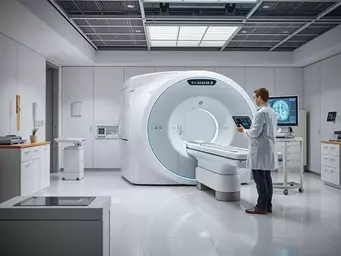
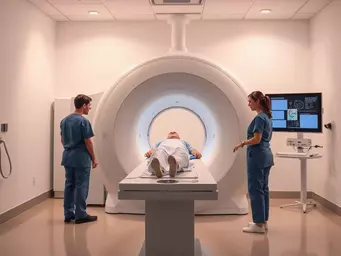
- Magnetic Resonance Imaging (MRI): This test is critical for identifying brain and spinal cord lesions associated with MS.
- Blood Tests: Expect tests that check for autoimmune diseases, infections, and vitamin deficiencies that could mimic MS symptoms. The Multiple Sclerosis Association of America also provides updates on new research that may influence diagnostic approaches.
- Neurological Exam: Your doctor will assess your reflexes, coordination, and sensory responses to gather more information about your condition.
As you move through this process, remember that understanding each step can help alleviate anxiety. It’s important to ask your healthcare provider questions so that you feel informed and prepared for what comes next.

Resources for Patients and Caregivers
At Symptoms of MS, we believe in the importance of providing reliable resources for those affected by multiple sclerosis. Here are some recommended resources you can explore for further reading, support, and advocacy:
- National Multiple Sclerosis Society - A comprehensive resource for information, support, and advocacy.
- Lupus Foundation of America - Offers resources on lupus, a condition that can mimic MS symptoms.
- CDC Lyme Disease Information - Essential information on Lyme disease and its impact on neurological health.
- Mayo Clinic MS Overview - A trusted source for detailed information on MS symptoms and treatment options.
Connecting with these resources can provide you with invaluable information and support as you navigate your journey with multiple sclerosis. Remember, you're not alone, and there is a community ready to help!
Recap of Key Points
Here is a quick recap of the important points discussed in the article:
- Diagnosing multiple sclerosis (MS) is complicated due to overlapping symptoms with other medical conditions.
- Common conditions that mimic MS include migraines, autoimmune disorders, vitamin deficiencies, and infectious diseases.
- Seeking second opinions and consulting specialists can lead to more accurate diagnosis and treatment plans.
- Understanding the diagnostic tests, such as MRI and blood tests, can prepare patients for the evaluation process.
- Maintaining open communication with healthcare providers is essential for effective diagnosis and treatment of MS.