First Neurologist Appointment Essentials

When it comes to your health, preparation is key. For your first neurologist appointment, being ready can make all the difference in your experience and outcomes. Here’s how to ensure you get the most out of your visit.
What You Will Learn
- Effective preparation enhances communication, allowing for clearer expression of symptoms and concerns.
- Understanding the structure of the appointment helps reduce anxiety and allows you to focus on your health issues.
- Bringing essential items such as medical records and a symptom log can lead to more personalized care.
- Being organized not only empowers your voice but also builds trust with your neurologist.
- Staying proactive after your appointment is crucial for managing your neurological health effectively.
Preparing for Your First Neurologist Appointment
Understanding the preparation process for your first neurologist appointment can significantly improve the quality of your visit. This visual guide outlines the key phases of preparation and the essential items to bring, ensuring a productive discussion about your health.
Importance of Preparation
Ensuring effective communication and a productive discussion.
What to Expect
- Medical history discussion
- Neurological examination
- Diagnostic tests discussion
Essential Items to Bring
- Medical records & test results
- Medication list & dosages
- Symptom log & family history
Next Steps After Your Appointment
Review recommendations, schedule follow-ups, and continue symptom tracking.
Understanding the Importance of Preparation for Your First Neurologist Appointment
Preparing for your first appointment with a neurologist can feel overwhelming, but it’s essential for ensuring effective communication. When you walk into that office with your information in hand, you’re setting the stage for a productive dialogue about your health. This preparation not only helps you articulate your concerns but also equips the neurologist with the necessary background to guide your care effectively. For additional insights on what to expect during your first visit, Stanford Healthcare provides a helpful guide on what to expect at your first neuroscience appointment.

Think about it: wouldn’t you want your doctor to have all the relevant information about your health history? That’s why being organized and prepared can make a world of difference. By taking the time to gather your thoughts and materials, you’re advocating for your own health, which is what we at Symptoms of MS believe in wholeheartedly!
Why Preparation Matters: Setting the Stage for Effective Communication
Effective communication is the cornerstone of any successful doctor-patient relationship, especially when it comes to complex conditions like multiple sclerosis. Being prepared allows you to express your symptoms and concerns clearly, facilitating a better understanding of your situation. This isn’t just about sharing facts; it’s about telling your story in a way that resonates with your neurologist.
- Enhances understanding of your symptoms
- Creates a more collaborative atmosphere
- Ensures that no important details are overlooked
Ultimately, your neurologist is there to help you navigate your health journey. The more complete the picture they have, the better equipped they are to provide you with tailored advice and recommendations! The Ataxia.org also offers a comprehensive document on preparing for your appointment with a neurologist, which includes useful checklists and advice.
What to Expect: Overview of the Appointment Structure and Duration
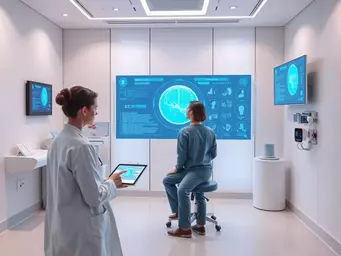
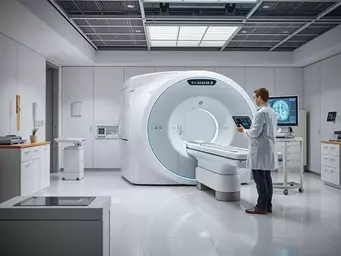
Your first appointment with a neurologist typically lasts between 30 to 60 minutes, and it’s structured to maximize the time spent on your health concerns. Generally, the appointment will begin with a discussion of your medical history, followed by a neurological examination. You might also discuss potential diagnostic tests.
- Introduction and review of your medical history
- Neurological examination to assess cognitive and physical function
- Discussion of possible next steps, including diagnostic testing
Understanding this structure can help you feel less anxious about what’s to come and allows you to focus on the most pressing issues during your visit. Remember, this is your opportunity to take charge of your health!
Essential Items to Bring for Your Neurologist Appointment
Now that we’ve established the importance of preparation, let’s talk about the specific items you should bring to your neurologist appointment. Having these essentials can help ensure that your visit goes smoothly and that you leave with all the information you need.
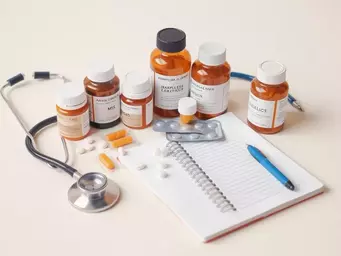
- Medical records and test results
- A list of current medications and dosages
- A symptom log tracking your health history
- Your family medical history
- Insurance and financial information
- Referral documents and any necessary patient forms
Gathering these items ahead of time not only enhances your experience but also allows your neurologist to provide more personalized care. I can’t stress enough how often patients feel more empowered when they walk into the appointment fully prepared! For more tips on making the most of your office time with your doctor, Brain & Life provides excellent advice on how to maximize your doctor's visit.
Pro Tip
Before your appointment, consider practicing how you’ll share your key symptoms and concerns. You might find it helpful to role-play with a friend or family member, enabling you to express yourself more clearly and confidently during the actual visit.
Frequently Asked Questions (FAQs)
Below are some common questions regarding your first neurologist appointment.
- Q1: Why is preparation important for my first neurologist appointment?
- A1: Preparation is crucial for effective communication, allowing you to clearly express your symptoms and concerns. It helps the neurologist understand your medical history better, leading to more accurate diagnoses and personalized care. Being prepared also reduces anxiety and empowers you to advocate for your health.
- Q2: What should I expect during my first neurologist appointment?
- A2: Your first appointment typically lasts 30-60 minutes. It usually begins with a discussion of your medical history, followed by a neurological examination to assess cognitive and physical function. You will also discuss potential diagnostic tests and next steps for your care.
- Q3: What essential items should I bring to my neurologist appointment?
- A3: It's important to bring medical records and test results, a list of all current medications and their dosages, a detailed symptom log, your family medical history, insurance and financial information, and any referral documents or patient forms.
- Q4: How can I ensure effective communication with my neurologist?
- A4: Effective communication is fostered by being prepared. Organize your thoughts, practice explaining your symptoms, and bring all relevant medical information. This helps create a collaborative environment and ensures no important details are overlooked.
- Q5: What should I do after my first neurologist appointment?
- A5: After your appointment, review the neurologist's recommendations, schedule any follow-up tests or appointments, and continue to track your symptoms and treatment responses. Staying engaged and proactive is key to managing your neurological health effectively.
Wrapping Up Your Preparation for a Neurologist Appointment
As you gear up for your first neurologist appointment, it’s crucial to reflect on everything you've prepared. Being ready can significantly enhance your experience and help you communicate effectively with your healthcare provider. Here are some key takeaways about why preparation matters:
- Maximize Your Time: Arriving prepared allows you to make the most of your appointment.
- Empower Your Voice: Having all your information handy ensures you can advocate for your health.
- Building Trust: Demonstrating your commitment to managing your health fosters a positive relationship with your neurologist.
- Reduce Anxiety: Knowing what to expect and being organized can ease your nerves.

It's important to understand that preparation lays the groundwork for a productive conversation about your health. You’re taking the first steps in a journey that requires ongoing dialogue!
Encouragement to Utilize Resources and Support Systems
Don’t hesitate to lean on the resources available at Symptoms of MS and other platforms. We provide numerous tools that can assist you in navigating this journey. Connecting with support systems is invaluable—whether through online forums, educational materials, or local support groups. Here’s how you can benefit from our resources:
- Access to expert-reviewed articles about multiple sclerosis and other neurological conditions.
- Engagement with patient stories that resonate with your experiences.
- Participation in support groups that foster community and shared learning.
Your health journey is uniquely yours, and utilizing available resources can make a world of difference in how you experience it. Remember, you don't have to navigate this alone!
Engaging with Your Neurological Health: Next Steps After Your Appointment
Once your appointment concludes, it’s time to focus on the next steps. Staying engaged and proactive is essential in managing your neurological health. Here’s what you can do after your visit:
- Review any recommendations your neurologist provided.
- Schedule any follow-up tests or appointments as needed.
- Continue tracking your symptoms and treatment response.
Following these steps helps to ensure that you’re on the right path toward managing your condition effectively. It’s all about taking charge of your health!
What to Expect from Follow-Up Appointments: Staying on Track
Follow-up appointments are crucial for monitoring progress and adjusting treatment plans as necessary. Each visit builds upon the last, giving you an opportunity to address any ongoing concerns and stay aligned with your health goals. Here’s what you can expect:
- Review of your symptom log and any changes since your last visit.
- Discussion of test results and how they impact your treatment options.
- Adjustments to medications or therapies based on your feedback.
Keeping this routine ensures that you’re well-supported in your health journey, and it opens doors to further conversations about your care.
Invitation to Share Experiences and Feedback for Future Patients
Your experiences can greatly benefit others who are just starting their journey with neurological health. Sharing your story can provide hope and insight to those facing similar challenges. Consider contributing to our community at Symptoms of MS by:
- Writing a testimonial or sharing your journey in our forums.
- Participating in discussions that highlight resources that helped you.
- Offering encouragement to newcomers navigating their own appointments.
Your voice can make a significant impact, and together, we can build a supportive community that fosters understanding and empowerment!
Recap of Key Points
Here is a quick recap of the important points discussed in the article:
- Preparation is Key: Arriving organized with relevant information enhances communication with your neurologist.
- Know What to Expect: Familiarize yourself with the appointment structure to reduce anxiety and maximize time.
- Essential Items to Bring: Gather medical records, medication lists, and symptom logs for a comprehensive discussion.
- Follow-Up Matters: Stay engaged post-appointment by reviewing recommendations and scheduling necessary tests.
- Utilize Available Resources: Leverage support systems and educational tools from platforms like Symptoms of MS.