Assistive Devices: Insights and Advice
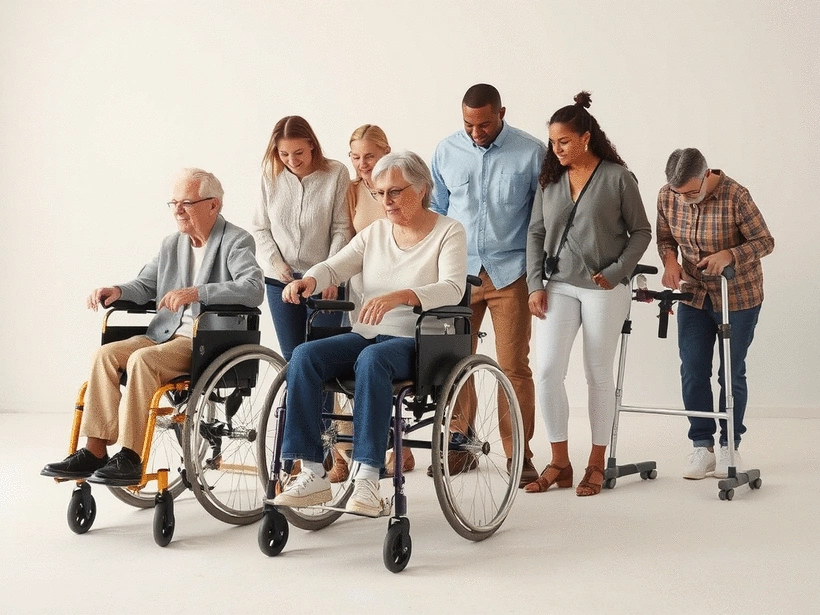
What if a simple tool could transform your daily life, granting you the independence you thought you lost? Assistive devices do just that, empowering individuals to navigate challenges posed by conditions like multiple sclerosis. They not only enhance mobility but also nurture emotional well-being.
What You Will Learn
- Assistive devices enhance mobility and independence for users.
- Personal stories highlight the transformative impact of these tools on daily life.
- Professional guidance is crucial in selecting the most suitable device for individual needs.
- Community support plays a vital role in reducing feelings of isolation during the transition.
The Transformative Role of Assistive Devices
Assistive devices are crucial for enhancing the quality of life for individuals with conditions like multiple sclerosis, promoting independence and improving daily activities. The visual below highlights the types and benefits of these essential tools.
Purpose of Assistive Devices
- • Empowerment through independence
- • Enhanced safety in daily activities
- • Improved social interaction and communication
- • Better management of symptoms and fatigue
Key Takeaways for Users
- • Greatly enhance mobility and independence
- • Transformative power evident in patient stories
- • Professional advice assists in device selection
- • Community support reduces isolation
Mobility Aids
- • Canes: Balance support
- • Walkers: Enhanced stability
- • Wheelchairs: Independent movement
- • Rollators: Walker with seat
Sensory Aids
- • Hearing Aids: Amplify sound
- • Screen Readers: Access digital content
- • Text Telephones (TTY): Facilitate communication
Understanding Assistive Devices: A Patient Perspective
As someone dedicated to supporting individuals affected by multiple sclerosis, I often hear about the transformative role of assistive devices in enhancing quality of life. These tools are designed to help people manage daily activities, promoting independence and improving overall well-being. Understanding what assistive devices are and their purpose can empower patients to make informed choices that suit their unique needs.
Essentially, assistive devices are any tools, equipment, or systems that help individuals perform tasks that might otherwise be difficult or impossible due to their condition. They can vary widely in function, from mobility aids to communication devices, each tailored to improve specific aspects of daily life. For a global perspective on the importance of assistive technology, you can refer to resources from the World Health Organization (WHO).
What Are Assistive Devices and Their Purpose?
The primary purpose of assistive devices is to enhance the user’s ability to carry out daily tasks, thereby promoting independence. They can be a game changer for those living with conditions like multiple sclerosis, where fatigue, mobility issues, or sensory challenges may hinder everyday activities. By providing support, these devices help individuals engage more fully in their lives. The National Institute for Health and Care Research (NIHR) also offers valuable insights into current assistive technology trends and data.
- Empowerment through independence
- Enhanced safety in daily activities
- Improved social interaction and communication
- Better management of symptoms and fatigue
Ultimately, the goal is to provide tools that enable individuals to navigate their environments with confidence and ease, bridging the gap between ability and disability.
Types of Assistive Devices: A Brief Overview
Assistive devices come in various forms, each serving a distinct purpose. Understanding the different types can help you identify the ones that may best suit your needs. From mobility aids to sensory tools, these devices can greatly enhance daily living.
Mobility Aids: Enhancing Movement and Independence
Mobility aids are perhaps the most recognized form of assistive devices. They are designed to help individuals move about safely and with greater ease. Here are some common types:
- Canes: Provide balance support while walking.
- Walkers: Offer stability for those who require more support than a cane can provide.
- Wheelchairs: Allow for easier movement for those who cannot walk independently.
- Rollators: Combine the features of a walker with a seat for rest.
Each of these tools plays a critical role in allowing users to move around their homes and communities, fostering a sense of independence.
Hearing and Visual Aids: Improving Communication and Perception
On the sensory side, hearing and visual aids can significantly impact communication and perception. These devices are essential for enhancing the interaction between the user and their environment. Examples include:
- Hearing Aids: Amplify sound for those with hearing impairments.
- Screen Readers: Assist individuals with visual impairments in accessing digital content.
- Text Telephones (TTY): Facilitate communication for those who are deaf or hard of hearing.
Using these aids can open up communication channels, making it easier for individuals to connect with others and navigate their surroundings.
Real Patient Experiences with Assistive Devices
Now that we've explored what assistive devices are and the various types available, it's important to delve into the experiences of those who use them. Real patient stories can illuminate the impact these devices have on daily life and well-being.
Pro Tip
When selecting an assistive device, consider trying out several options before making a final decision. Many healthcare providers offer trials or demonstrations of devices, allowing you to see which one best meets your needs. This hands-on experience can be invaluable in finding the right fit for your lifestyle.
Summarizing Key Takeaways on Using Assistive Devices
As we wrap up our discussion on assistive devices, it’s important to highlight a few key takeaways that can empower you on your journey. Remember, embracing assistive devices can significantly enhance your quality of life. They offer not just physical support but also emotional and psychological benefits as you regain control over daily activities. The transition might feel overwhelming at first, but with the right support and resources, you can adapt and thrive!
Here are some key points to keep in mind:
- Assistive devices can greatly enhance mobility and independence.
- Personal stories show us the transformative power of these tools.
- Getting professional advice can assist in selecting the right device for your needs.
- Community support can help you feel less isolated on this journey.
Remember, you are not alone in this process. Many individuals have walked the same path and found ways to successfully integrate assistive devices into their lives.
Encouragement for Patients: Embracing Change with Support
Change can be daunting, and I understand how you might feel about introducing assistive devices into your routine. However, embracing this change comes with immense benefits! Surrounding yourself with supportive family members, friends, or joining patient communities can make a world of difference.
Here’s how you can find encouragement:
- Seek out online forums or local support groups where you can share experiences.
- Communicate your feelings and concerns with loved ones; they can provide invaluable support.
- Consider working with an occupational therapist who can guide you through adaptation to new devices.
With a solid support system, you can navigate this transition more smoothly and with greater confidence!
Call to Action: Start Your Journey with Assistive Devices Today
Are you ready to take the first step toward enhancing your life with assistive devices? Don’t hesitate! Start exploring your options today. Visit reputable resources, and perhaps check out our educational platform at Symptoms of MS for insights into various assistive technologies. We’re here to help you make informed decisions!
Consider these steps to kickstart your journey:
- Identify your specific needs and challenges.
- Research different types of assistive devices available.
- Reach out to healthcare providers for recommendations.
- Engage with patient communities for shared experiences and advice.
Your journey with assistive devices can lead to newfound independence and improved quality of life. Let's take this journey together!
Staying Informed: The Importance of Continuous Learning
The world of assistive devices is ever-evolving, and staying informed is crucial for making the best choices. Continuous learning will not only equip you with knowledge about new technologies but also inspire confidence in managing your health. Let’s delve into the ways you can keep yourself updated!
Exploring New Technologies and Innovations in Assistive Devices
As technology advances, so do the options available for assistive devices. Innovations are constantly being developed to improve usability and efficacy, making them more beneficial than ever. It’s essential to stay curious and informed about these advancements!
Here are some areas to explore:
- Smart technology integration in mobility aids.
- Wearable devices that monitor health metrics.
- New materials that enhance comfort and durability.
By keeping an eye on new technologies, you can discover tools that might make a significant difference in your daily life.
Advocating for Yourself: Understanding Your Rights and Resources
Self-advocacy is a powerful tool in your journey with assistive devices. Understanding your rights and available resources can help you navigate healthcare systems effectively. You deserve access to the best technologies that meet your needs!
Consider these strategies:
- Research your rights regarding assistive devices and healthcare coverage.
- Prepare questions or concerns to discuss with your healthcare provider.
- Connect with advocacy groups that focus on disability rights.
Empowering yourself with knowledge will help you secure the resources you need to thrive.
Patient Advocacy and Disability Rights: Empowering Your Journey
Lastly, understanding patient advocacy and disability rights is essential in navigating your journey. Advocacy groups can provide not only support but also crucial information on policies and programs that can aid you in accessing necessary assistive devices. For further information and resources on assistive technology and its impact, you might find the National Academies of Sciences, Engineering, and Medicine a valuable source.
Here are some ways to get involved:
- Attend workshops or seminars on advocacy topics.
- Engage with local or national advocacy organizations.
- Share your story to raise awareness and inspire others.
By advocating for yourself and others, you contribute to a stronger community that supports the needs of all individuals facing challenges with disabilities.
Frequently Asked Questions About Assistive Devices
Here are some common questions about assistive devices, addressing key points discussed in this article:
- What are assistive devices?
Assistive devices are specialized tools, equipment, or systems designed to help individuals perform tasks that may be difficult or impossible due due to a medical condition or disability. They aim to promote independence and improve quality of life. - How do assistive devices improve quality of life for individuals with conditions like multiple sclerosis?
They enhance mobility, improve safety in daily activities, facilitate communication and social interaction, and aid in managing symptoms like fatigue, ultimately empowering individuals to live more independently. - What are the main types of assistive devices?
Assistive devices broadly include mobility aids (e.g., canes, walkers, wheelchairs), and sensory aids (e.g., hearing aids, screen readers, text telephones). There are also many other types depending on specific needs. - Why is professional guidance important when choosing an assistive device?
Professional guidance from healthcare providers or occupational therapists ensures that the selected device is appropriate for an individual's specific needs, physical condition, and lifestyle, maximizing its effectiveness and user safety. - How can community support help individuals transitioning to using assistive devices?
Community support, including online forums, local support groups, and discussions with loved ones, can reduce feelings of isolation, provide valuable shared experiences, and offer encouragement during the adaptation process.
Recap of Key Points
Here is a quick recap of the important points discussed in the article:
- Assistive devices enhance mobility and promote independence for individuals living with conditions like multiple sclerosis.
- Different types of assistive devices, such as mobility aids and sensory tools, cater to specific needs.
- Personal experiences highlight the transformative impact of assistive devices on daily life and well-being.
- Professional guidance is important for selecting the right assistive devices tailored to individual needs.
- Community support plays a crucial role in helping patients feel less isolated during their journey with assistive devices.